Wed& Insider Newsletter
What's happening in weddings around the world | Issue #6 | 12 October 2025
This Week’s Focus: Sustainability meets authenticity while regulatory changes reshape cross-border wedding services across Asia.
TRENDS THIS WEEK
Three Concrete Sustainable Services: Seoul Wedding Shows What’s Actually Possible
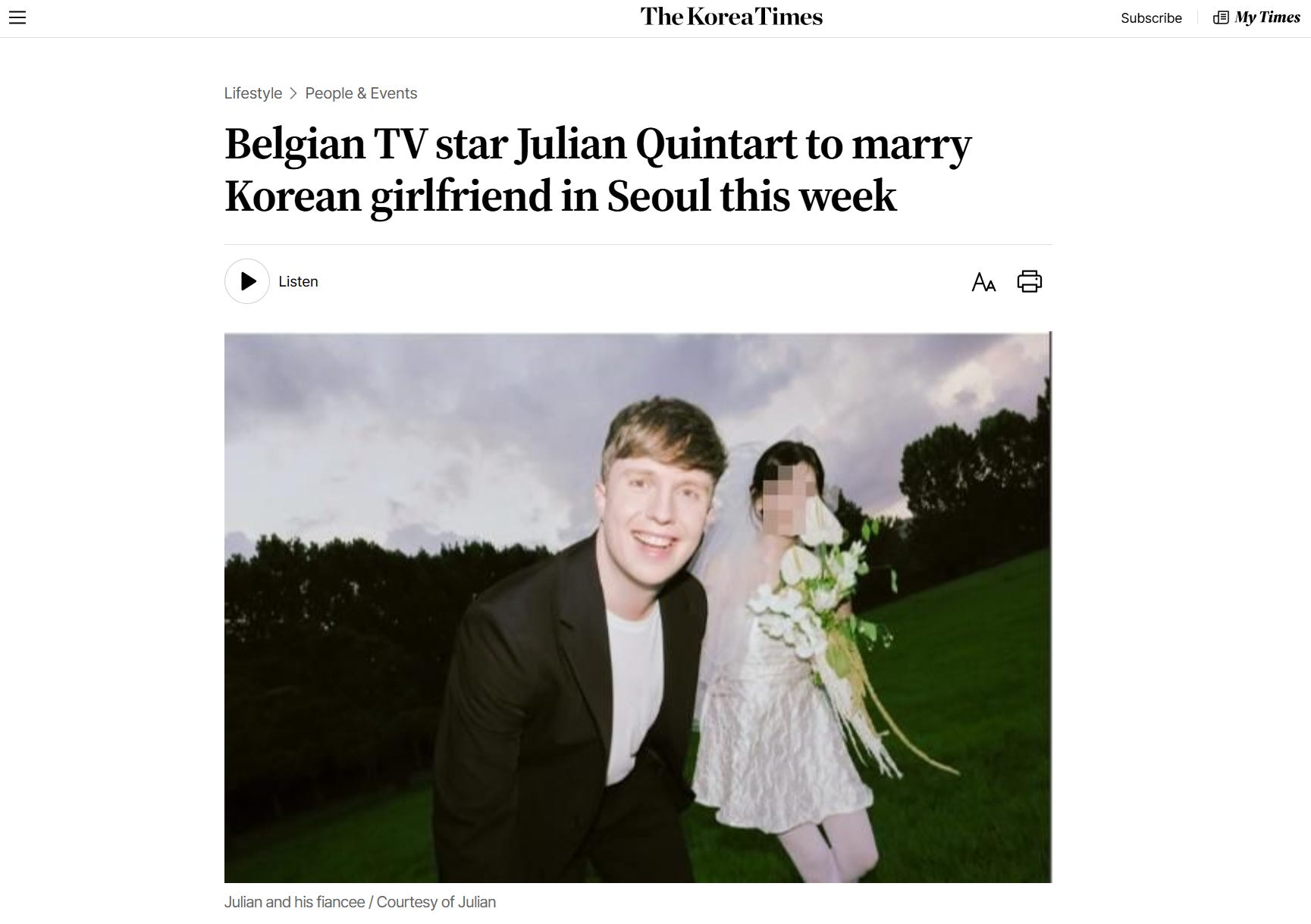
What’s happening: Kpopmap featured Belgian TV personality Julian Quintart’s wedding on 11 October at Seoul’s Floating Island, where premium planner Sposabella delivered three specific sustainable services: a fully plant-based menu for 228 guests, a wedding dress made from biodegradable PLA fabric (derived from corn and sugarcane), and floral arrangements that guests took home as plants rather than being discarded.
Why this caught our attention: This celebration provides a working blueprint for vendors who want to offer sustainable options but don’t know where to start. These three services (vegan catering, biodegradable materials, and zero-waste florals) are concrete offerings that Asian vendors can develop, price, and market as premium additions to existing packages.
Intimate Celebrations Return to Neighbourhoods: The Kampung Spirit Revival
What’s happening: Mothership reported on a Tampines couple who hosted their wedding buffet over two evenings in their HDB flat corridor, inviting neighbours alongside family and friends. Meanwhile, Straits Times covered Paralympian Yip Pin Xiu’s 228-guest celebration at Jurong Lake Gardens Guesthouse just eight days after winning her eighth world title, emphasising authentic connection over spectacle.
Why this matters: Both celebrations, though vastly different in scale, prioritise genuine community and meaningful moments over wedding industry expectations, reflecting a broader Asian trend towards authenticity that transcends budget levels.
Cross-Border Creative Services Face Regulatory Crackdown: Singapore-Malaysia Market Disruption
What’s happening: The Star reported that Singapore’s Ministry of Manpower enforcement of existing work pass requirements has forced Johor-based photographers and videographers to cancel all Singapore bookings. The September advisory clarified that foreigners on tourist or student visas cannot provide creative services, with penalties reaching S$20,000 fines, two years’ imprisonment, or both.
Why this is significant: Johor creatives report that 80% of their clients are Singaporeans, emphasising concerns beyond simple compliance. The core issues include supply chain disruptions during peak wedding seasons and the urgent need for vendors to understand employment laws across various borders.
WHAT THIS MEANS FOR YOU
Three Sustainable Services You Can Actually Offer
Julian Quintart’s Seoul celebration provides a working model: fully plant-based catering for 228 guests, biodegradable PLA wedding dress fabric, and take-home plant arrangements instead of discarded florals. Each service represents a concrete offering that Asian vendors can develop and price as premium additions.
The opportunity: Start with one verifiable sustainable service (plant-based menu options, biodegradable material sourcing partnerships, or zero-waste floral designs). Position it as an exclusive offering with transparent sourcing details and measurable environmental benefits, then test premium pricing with environmentally conscious couples.
“Anti-Wedding” Weddings Might Be Your Next Revenue Stream
The corridor buffet and quick-turnaround celebrations emphasise rejecting traditional wedding industry pressures in favour of fostering authentic connections. While these couples still need professional services, they are tailored to meet their specific needs.
The opportunity: Photography packages emphasising candid moments over posed shots, catering focused on comfort food rather than elaborate courses, and coordination that facilitates guest interaction rather than rigid timelines could capture this growing intimate celebration market.
Cross-Border Compliance Is Now a Competitive Advantage
The advisory affects more than just these two markets. It can be a signal for governments across Asia to scrutinise foreign service providers.
The reality check: Do you clearly understand work pass requirements, tax obligations, and professional licensing for every jurisdiction where you accept bookings? Because couples increasingly expect vendors to handle compliance seamlessly, and regulatory violations damage both the vendor and the couple.
WHAT TO DO/ASK YOURSELF
This Week’s Action Steps
Check your sustainability claims: Review your current vendor materials and website. Can you provide specific details about sustainable practices (supplier names, waste diversion percentages, carbon offset programmes), or are you using vague “eco-friendly” language that sophisticated couples see through immediately?
Assess your intimacy capabilities: Look at your past three weddings under 50 guests. Did your service model genuinely suit smaller celebrations, or did you simply scale down large wedding offerings? Intimate weddings require different skills, particularly the ability to facilitate genuine connection rather than manage logistics.
Test your compliance knowledge: For every jurisdiction where you currently accept work, can you immediately answer: What visa do I need? What are the tax implications? What professional insurance is required? If you’re uncertain about any of these, you’re operating with significant legal and financial risk.
Questions Worth Asking Yourself
About sustainable services:
Do I view sustainability as a niche market add-on, or as a fundamental repositioning of my entire business towards premium environmental consciousness?
Which suppliers in my current vendor network can provide verified sustainable materials, and which relationships do I need to develop to offer genuine eco-luxury services?
About authentic celebrations:
Am I comfortable facilitating celebrations that reject traditional wedding structure, or do I require couples to fit within my established service framework?
How would I price coordination for a two-day neighbourhood celebration versus a single-day hotel ballroom wedding, and can I articulate the different value I provide?
About cross-border compliance:
Have I consulted with employment lawyers about work pass requirements for every market I serve, or am I relying on “this is how we’ve always done it”?
If regulatory enforcement suddenly intensified in my region (as it just did in Singapore), would I face immediate business disruption, client cancellations, or legal penalties?
Skills Worth Developing
Sustainable vendor vetting: Learning to evaluate supplier environmental claims, verify sustainable material certifications, and build relationships with genuinely eco-conscious partners rather than greenwashing vendors.
Intimate celebration design: Developing the ability to create meaningful moments and facilitate authentic connection in small gatherings—a completely different skill set from managing large-scale event logistics.
International compliance navigation: Building working knowledge of employment law, tax obligations, and professional licensing across multiple Asian jurisdictions, ideally with legal consultation rather than assumptions.
Forward this newsletter to vendor mates who need weekly intelligence about what couples actually want.
Want more wedding industry insights? Check out Wed& Main for couple-focused articles and planning guides.


